Symbolic vs Legal Wedding in Mexico: What Couples Need to Know

Written by Better Together Mexico
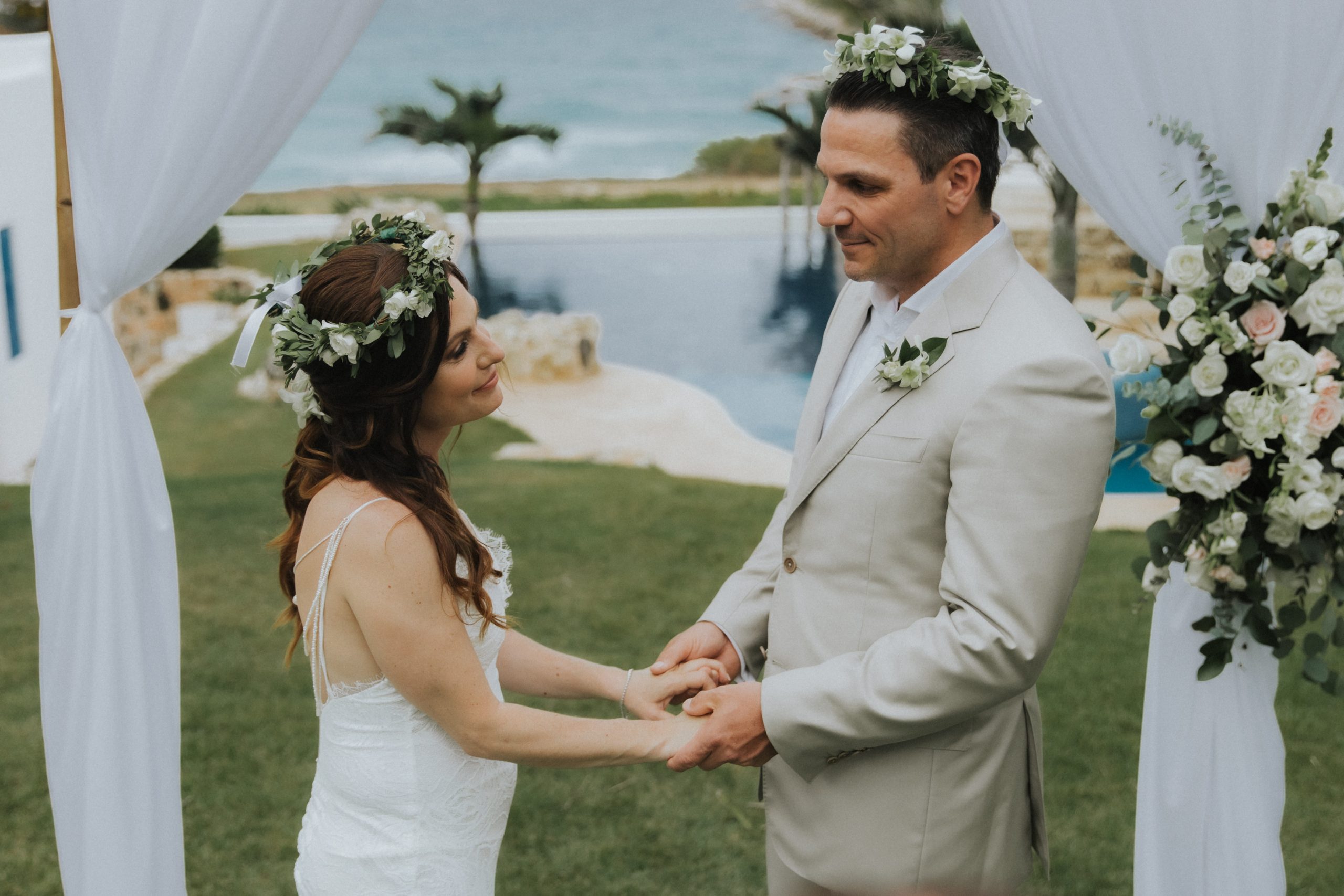
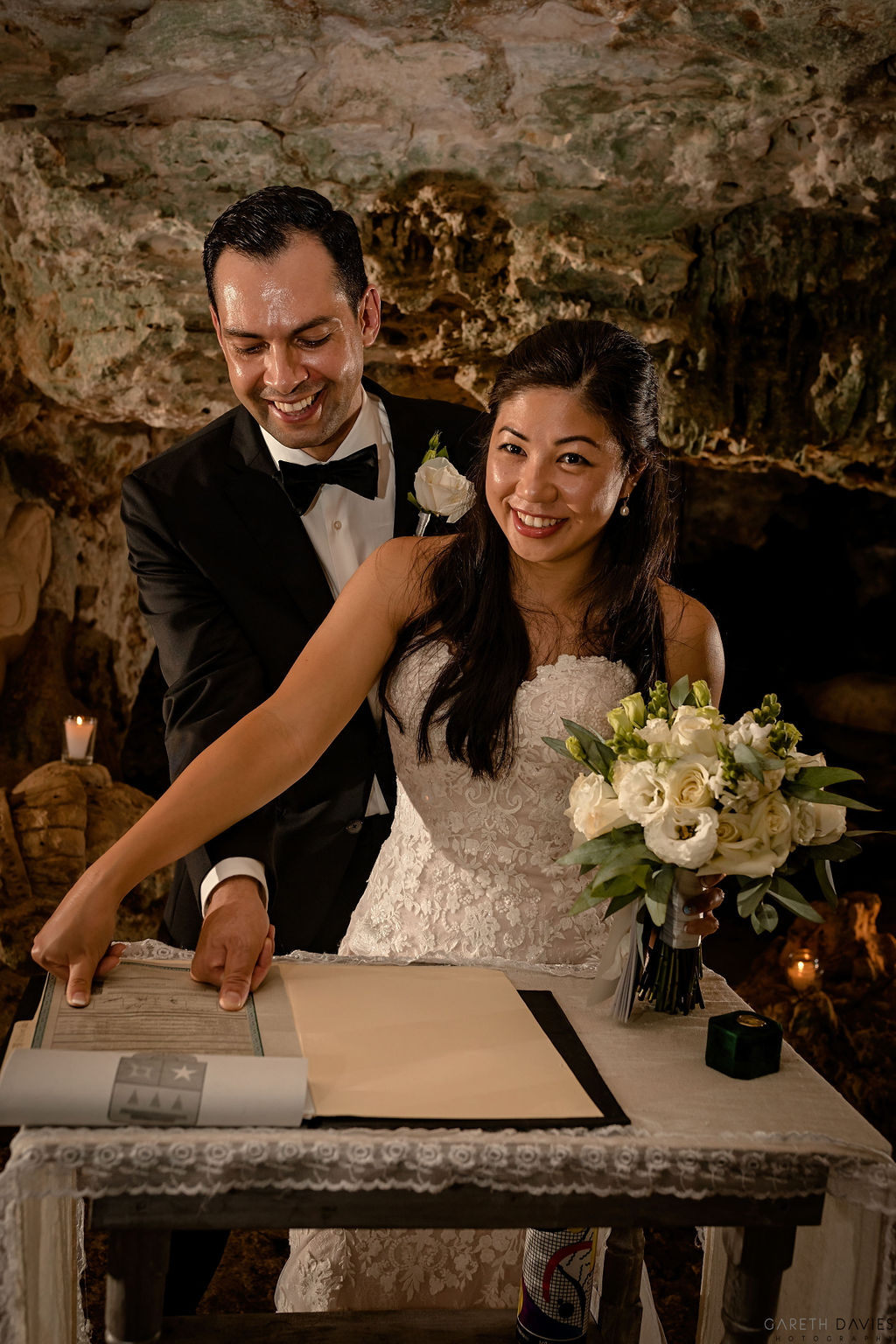
A wedding is not validated by paper alone. It is validated in the moment two people stand in front of each other, hold hands, and choose one another — intentionally.
And yet, when planning a destination wedding in Mexico, one of the most common questions couples ask is: Should we have a legal wedding or a symbolic ceremony?
The answer isn’t about which option is “better.” It’s about understanding the difference — emotionally, legally, and logistically — and choosing what aligns with your relationship and your wedding vision.
If you are planning a destination wedding in the Riviera Maya, here is what you need to know.
What Is a Legal Wedding in Mexico?
A legal wedding in Mexico is a civil marriage recognized under Mexican law. It is performed by a judge from the Civil Registry (Registro Civil) and follows a structured legal process.
Unlike symbolic ceremonies, legal weddings involve documentation, specific timelines, and in-person procedures.
In the state of Quintana Roo (Riviera Maya, Playa del Carmen, Tulum, Cancun), couples are typically required to provide:
-
Valid passports or official identification
-
Birth certificates
-
CURP (if applicable)
-
Prenuptial blood tests taken within Mexico
-
Four adult witnesses with official identification

One of the most important details is timing. Couples must usually arrive at least four business days before the ceremony to submit documentation and complete required steps. The Civil Registry reviews each document carefully, and if anything is missing, the process may be delayed.
Prenuptial blood tests are mandatory and must be taken within Mexican territory. These tests are valid for 15 days.
Because of these requirements, legal weddings in Mexico require advance planning, organization, and coordination.
Additional Costs Involved in a Legal Wedding
A legal wedding includes more than the judge’s presence. Couples should consider additional costs such as:
* Civil Registry fees
* Blood test fees
* Off-site judge fee (if not held at the registry office)
* Apostille services
* Certified translations
If you plan to validate the marriage in your home country — whether in the United States, Canada, Europe, or South America — you will also need to apostille and translate the marriage certificate before registering it locally. This post-ceremony process typically takes 4–6 weeks.
For couples planning a multi-day destination wedding with guest travel, hotel coordination, and events, these added steps can increase both logistical complexity and overall budget.
What Is a Symbolic Wedding Ceremony?
A symbolic wedding ceremony is not legally binding. It carries emotional, spiritual, and personal meaning but does not involve the Civil Registry. Because there is no paperwork required, couples have complete freedom in designing the experience.
Symbolic ceremonies allow for:
* Any location (cenote, beach, yacht, private villa)
* A chosen officiant (friend, family member, celebrant)
* Personalized vows
* Cultural rituals (arras, lazo, unity ceremonies)
* Flexible timing
This flexibility is one of the main reasons symbolic ceremonies have become increasingly popular for destination weddings in Mexico. Many couples choose to complete the legal paperwork in their home country and reserve their Riviera Maya celebration for a deeply meaningful and customized ceremony.

Why Symbolic Ceremonies Are So Popular for Destination Weddings
From years of experience planning weddings in the Riviera Maya, the majority of international couples choose symbolic ceremonies.
Why? Because destination weddings already involve:
* Guest travel coordination
* Accommodation logistics
* Vendor scheduling
* Weather planning
* Multi-day event management
* Adding legal documentation, early arrivals, blood tests, apostilles, and registry appointments can add stress to what should feel intentional and joyful.
Symbolic ceremonies eliminate the administrative layer and allow couples to focus fully on the emotional experience.
That said, legal weddings are not wrong or discouraged. They simply require more preparation.
Can You Have Both a Legal and Symbolic Ceremony?
Yes.
Some couples choose to:
-
Hold a short legal ceremony with the judge
-
Follow it with a fully personalized symbolic ceremony
-
Complete the legal process at home and celebrate symbolically in Mexico
A civil ceremony itself can be brief — focusing on legal readings and signatures — followed by a longer, customized celebration.
The structure depends entirely on your priorities.
What About Catholic Weddings in Mexico?
Catholic ceremonies must take place inside a consecrated church.
They cannot be performed on beaches, cenotes, yachts, or outdoor venues.
If you wish to have a Catholic ceremony, additional church documentation and preparation will be required, often coordinated through your local parish and the parish in Mexico.
This is a separate process from civil marriage.
Emotional vs Legal: What Truly Matters?
Over time, we have seen couples prioritize different things.
Some want the official document completed in the same place where they celebrate. Others want zero administrative stress and complete creative freedom. The key is intentional decision-making.
Choose the ceremony that reflects your relationship — not pressure from family, tradition, or expectation. A marriage is validated in daily commitment, not only in documentation.
Planning a Legal or Symbolic Wedding in Riviera Maya
Whether you choose a legal wedding, a symbolic ceremony, or a combination of both, understanding timelines, documentation requirements, and venue policies early in the planning process makes a significant difference.
If you are planning a destination wedding in Mexico and want clarity on which option fits your situation best, scheduling a consultation can help you evaluate logistics, budget, and overall experience before making final decisions.
[Schedule a Destination Wedding Consultation]